From Menstrual to Menopausal

June 2026 – Therapist of the Month
12/06/2026
TRY THIS! Female reproductive remedies
12/07/2026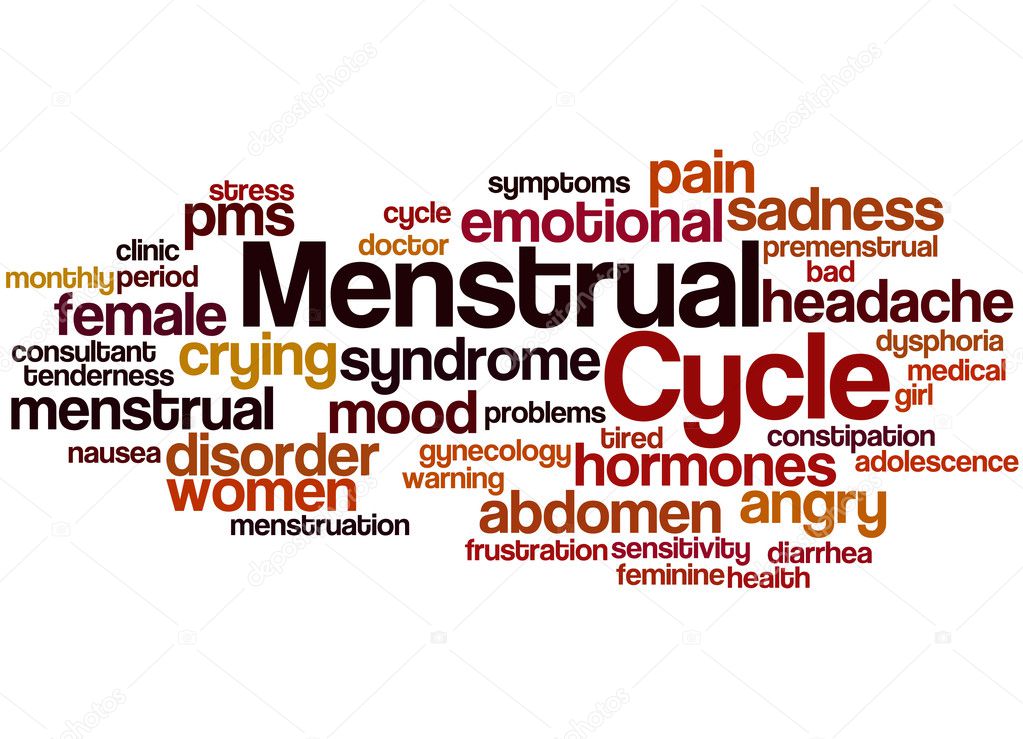
Typically, in a female’s life from age 10 – 66 years old, there are different phases in reproduction that are driven by biological and hormonal developments. It is such an important part of self-growth that it affects not only physical but mental health, moods and emotions as well.
Sadly, it is very common that these reproductive phases are not really explained to many young girls before they start their menstrual cycle so they can prepare and understand their own body better. Other reproduction stages that are not really celebrated and taught are perimenopause, menopause and womb health.
What is the menstrual cycle? It is rare but some females can start their menstrual cycle from 10 years old. Menstruation involves the uterus releasing some of its lining and causes the vagina to bleed. It is connected to and stimulates fertility. The bleeding is known as a “Period” that happens for about one week every month. Menstruation is connected to hormones which are triggered by signals from your pituitary glands in the brain and ovaries in the reproductive system. Hormones during the Period can make host feel fatigue, in a low mood and over emotional (as well as suffer from stomach pains). Any deformities in blood signal an issue either connected to reproductive or other body system and need medical advice from a specialist.
The start and end dates of the cycles depend on the female and is different for everyone, although it is possible that females of cycle age may align and menstruate around the same time if their live in the same abode.
What is perimenopause cycle? This phase usually occurs in women from late 40s and is the transition between fertility in menstrual cycle and infertility in menopause cycle. It starts to present itself as lighter periods which will be inconsistent each month for years as the body and reproductive system start to change. It includes intense hormone reactions with symptoms like fatigue, over-reacting, mood swings for longer periods of time. bloating and hot flushes (sweats). Underlying reproductive problems like fibroids may force bleeding and those affected need to get professional medical advice from a specialist.
What is menopause? This represents the end of reproductive cycle for women and infertility due to inefficient function of the ovaries because eggs are no longer produced, which cause a decline in the relevant hormones associated with the previous stages and are replaced with unpredictable symptoms that can affect mental and physical health until the bodily systems have adapted to the permanent change. Possible symptoms may include poor memory, irritability and being over emotional.
In adult life, women have to deal with the symptoms and effects of own reproductive system, whilst trying to maintain all of the commitments that everyday life demands.
More workshops and discussions are definitely needed about womb health, menstruation and menopause cycles to support females before, during and after each cycle so that females learn, understand and nurture own body.