Foraging and eating according to the season

Therapist of the Month – October 2025
12/10/2025
TRY THIS! Wild Food remedies
12/11/2025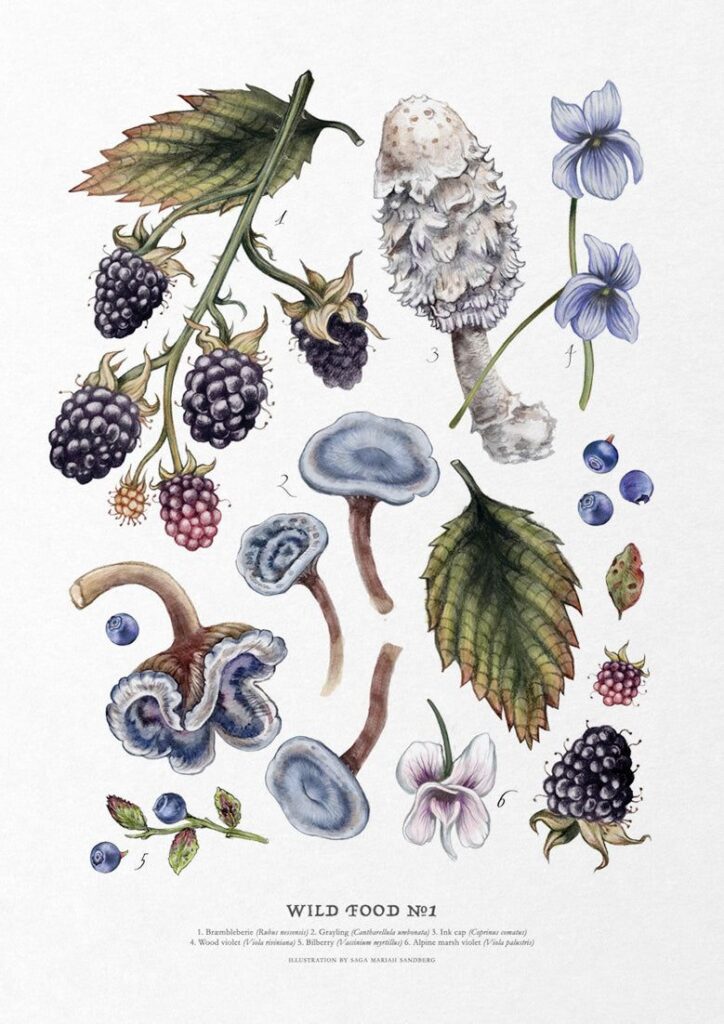
As we enter the Autumn season and the green trees, plants, vegetation and blossomed flowers start to wither as the season becomes more cooler, this signifies another fascinating cycle of nature.
Nature provides enough vegetation for us to live on and for preventative or healing remedies. The trick is knowing what is edible, why and how. Selecting own plants for remedies from public spaces is a sacred way to nourish own body, mind and spirit. This active way to select and collect edible vegetation, plants, herbs, berries and mushrooms is known as foraging.
Foraging is so much safer and easy to do in the countryside than cities because the relevant plants tend to grow wild in green spaces or places. The most important part of this activity is being able to identify what chosen plants are and to make sure they are edible and not poisonous. It is a skill because many plants look similar but are not all edible or healthy.
Knowing how and where to forage wild vegetation can definitely save money because organic fruits and vegetable can be expensive and scarce in supermarkets, also it allows forager to understand the power of wild plants and how they can benefit own health.
In the UK summertime, the easiest to identifiable types of wild foods available in green spaces tend to be blackberries, apples and pears. Common plants that can be easily found include nettles, dandelion leaves and wild garlic, which contain a lot of health benefits. It is important to understand that the availability of such vegetation is seasonal, so you can learn what is available at certain times of the year.
Collecting edible seaweed from the seawater can also be known as foraging. This plant has many nutritional values and benefits. Even in city spaces, wild food can be found in green spaces like parks. In the autumn, trees tend to start producing more nuts like chestnuts and hazelnuts. An expert forager who has a plant-based diet can probably live off mainly foraged wild food.
As our green spaces disappear due to construction and man-made buildings on such land, this means that our wild food for foraging as well as nature and animals disappear.
It’s not just an activity for the autumn every season brings new wild foods relevant to the climate and ability to grow and thrive. Locally sourced wild, organic food is the best.